Basement water has a habit of showing up the day after a heavy storm, when you least have time for it. I have crawled into more than a few Mississauga crawlspaces and utility rooms with inches of water on the slab and that familiar sour smell rising from the baseboards. Every house tells you why it is leaking if you know where to look. Our clay-heavy soils, fast freeze-thaw cycles, and the way subdivisions were graded in the 1970s through the 2000s all add up to a predictable set of weak points. Good drainage and a reliable sump system do not just keep the floor dry, they protect structure, indoor air quality, and resale value.
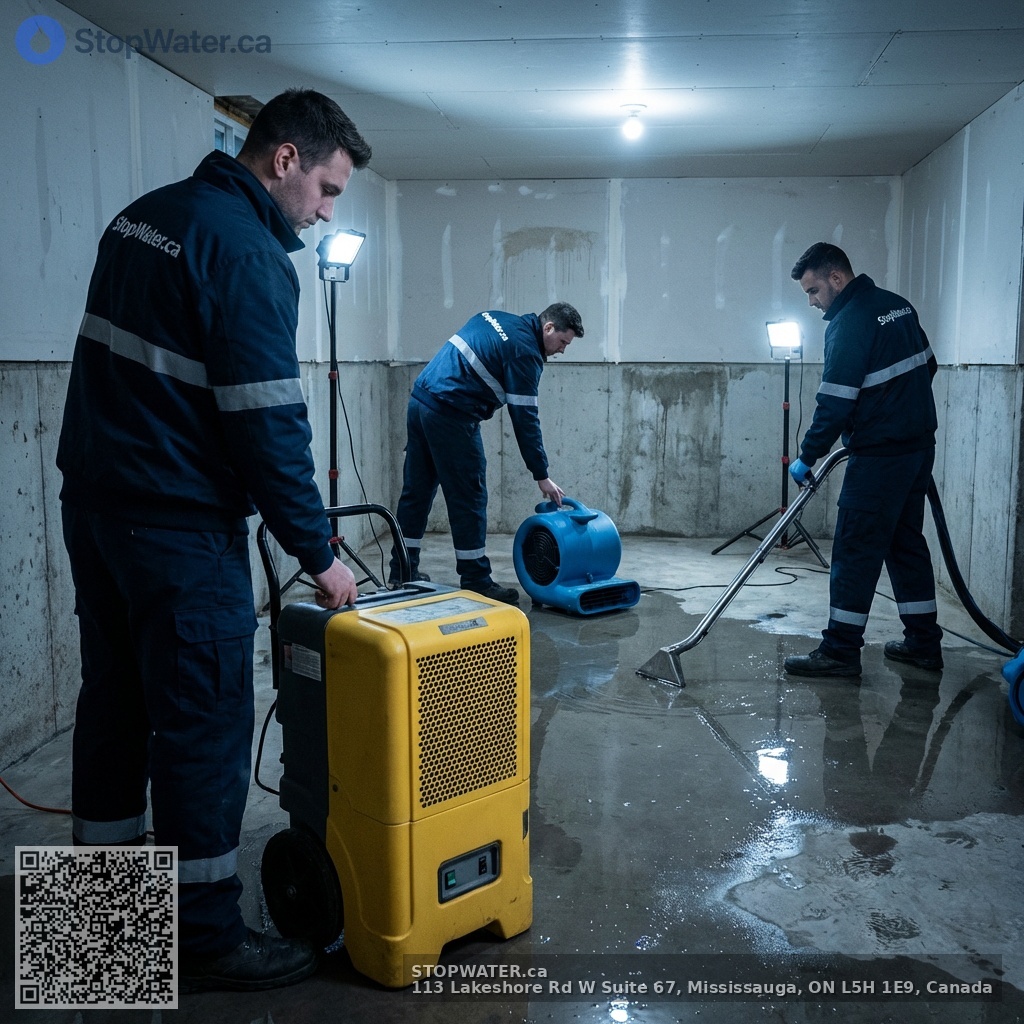
Why Mississauga homes are vulnerable
Hydrology does not care about property lines. Much of Mississauga sits on silty clay or clay loam with pockets of sand and fill around ravines and former farm tiles. Clay swells when wet and holds water longer than sandy soils. After a long rain, that wet clay presses on basement walls and pushes moisture through hairline cracks and block cores. When snowmelt and rain arrive back to back in March or April, the groundwater rises quickly, often faster than footing drains can carry it away.
Older neighborhoods like Lakeview, Port Credit, and parts of Streetsville often have original weeping tiles made of clay or early plastic that have collapsed or clogged with iron ochre. Newer builds fare better, but I still see undersized sump pits and discharge lines that freeze near the exterior wall. Add a downspout dumping right beside the foundation and you get a steady stream of water that a small pump cannot outrun.
Municipal infrastructure plays a role too. Mississauga’s bylaws discourage sump discharge onto sidewalks and streets, and in some districts there are storm sewer connections with backflow devices to prevent overloading. If the home’s discharge sends water across a neighbor’s property, you can be on the hook for nuisance or icing. A thoughtful waterproofing contractor will plan that routing before a hole is cut.
Groundwater, footing drains, and the path water takes
A dry basement is not accidental. It is the result of creating a low-resistance path for water to follow, away from the foundation, before it finds a crack. On the exterior, that job falls to the weeping tile at the footing, the washed stone envelope around it, and the backfill type and compaction. Inside, it is the slab edge, the cove joint where wall meets floor, and any relief path like an interior trench or sump.
Block foundations and poured concrete behave differently. Hollow blocks can carry water up the cores and release it at mortar joints. Poured walls resist bulk flow better, but once a shrinkage crack opens even 0.3 mm, capillary action can wick moisture through. In either case, hydrostatic pressure tries to make the basement the lowest reservoir it can find.
An effective drainage system does two complementary things. It relieves pressure by moving water to a sump pit or storm line, and it interrupts pathways with membranes or sealants. Relying on sealant alone is like painting over rust, it looks good for a season and fails when the next thaw comes.
What a good sump system looks like
I look for six elements when I design or audit a sump setup, and every one of them matters:
- Adequate pit size. A tight 14 inch bucket will short-cycle the pump and burn it out. A proper basin, usually 18 to 24 inches in diameter and at least 24 to 30 inches deep, gives storage and reduces starts per hour. In homes with high flows, a twin basin or an elongated trench leading into the pit evens the inflow. A reliable primary pump. For typical Mississauga basements, a 1/3 to 1/2 horsepower submersible pump with a cast iron housing handles most events, moving 40 to 70 gallons per minute at 10 feet of head. The switch type matters. Vertical floats stick less than tethered ones in narrow pits, and solid state sensors remove moving parts but must be tested regularly. Backflow control. A spring or flapper check valve on the discharge line keeps the head column from draining back into the pit and short-cycling the pump. It also limits water hammer when the pump stops. Mount it above the pit but below the frost line exit. Thoughtful discharge routing. The line should run with minimal elbows, up and out, then far enough from the foundation that return seepage is not an issue. Extensions that reach 10 to 15 feet on grade, or a direct tie-in to a storm connection where legal, keep the yard drier. Heat cable or an air gap and freeze-resistant fitting prevent ice blockages. Backup power and redundancy. Storms that flood basements often knock out power. A battery backup pump, either a 12 or 24 volt unit with a dedicated deep-cycle battery, buys time for 6 to 24 hours depending on inflow. In houses with a history of severe inflow, a secondary AC pump on a separate circuit gives capacity as well as redundancy. A sealed, serviceable lid. A close-fitting lid reduces humidity, noise, and radon entry, and it keeps toddlers and tools out. I like lids with grommeted pass-throughs, a removable inspection port, and labels that show pump model and installation date.
Those points are not theoretical. I have replaced plenty of burned-out pumps that chattered on and off because the pit was too small, and I have thawed more than one frozen discharge in January where a copper line met sub-zero air two inches beyond the wall. The fix is never just a bigger motor. It is a system change.
Exterior membranes, interior drains, or both
Homeowners often ask which solution is best: exterior waterproofing with a new weeping system, or interior drainage tied to a sump. The right answer depends on access, structure, and budget.
Excavating the exterior to the footing, placing new perforated drain tile in a bed of clean stone, and installing a modern membrane against the wall gives you the gold standard for stopping water before it reaches the basement. It also lets you repair cracks, replace deteriorated parging, and add insulation if you want. The trade-off is disruption. Landscaping, walkways, decks, and steps often need to be removed and rebuilt. On tight lots, excavation equipment may not fit, or there might be buried utilities and mature roots that make the work impractical. Costs for full perimeter exterior work typically land in the mid five figures for an average detached home, with ranges that widen for corner lots and complex grading.
Interior drainage creates a controlled path for water that already reached the foundation. A shallow trench is cut at the slab edge, stone and a perforated pipe collect seepage from the cove joint and wall base, then feed the sump. A dimpled membrane on the wall directs trickles downward. The interior approach is less expensive and avoids tearing up the yard. It also deals cleanly with block wall weeping. The downside is you are accepting that water enters the wall assembly, so you must manage vapor and finishes carefully. If you plan a finished basement, you need to detail rigid foam against the wall, a capillary break at the bottom plate, and avoid drywall that runs to the floor.
Sometimes the smart path is a hybrid. I have done many jobs where a problem corner or a walkout wall got exterior treatment, while the rest of the perimeter received an interior drain tied to a shared sump. When budgets are tight, starting with interior relief at the worst leaks buys time and information.
Downspouts, grading, and the water you can control
I start every assessment at the roofline. A 1,500 square foot roof in a heavy summer storm can shed over 900 gallons of water in an hour. If a downspout dumps that load at the foundation, you are asking the sump to play catch-up with a fire hose. Extending downspouts across walkways with hinged extensions, or running them to pop-up emitters well away from the foundation, often reduces sump runtime dramatically.
Grading matters as much as gadgets. A gentle slope away from the house for the first 6 to 10 feet is ideal. If a walkway or patio tilts toward the wall, or a planter box holds water against brick, we will be chasing symptoms until the grade changes. In older neighborhoods with settled backfill, adding a clay cap, not topsoil, under new sod helps shed water.
Window wells are another missed source. A clogged well with a cracked drain will fill like a bathtub in a spring storm and then pour into the sill. A clear cover, washed stone, and a dedicated drain tied to the weeping tile or interior system earn their keep. I have seen a single fixed well cover stop a chronic leak that two sealant repairs could not tame.
The installation sequence, without the sales gloss
Homeowners deserve to know what happens the day work begins. For an interior drain and sump retrofit, the process is noisy but predictable. Sawcuts trace the perimeter, dust is controlled with shrouds and negative air, and the crew demos a 12 to 18 inch strip of slab. We excavate to the footing, pitch a perforated pipe to the pit, set the basin level with the top of the stone, then backfill with clean 3/4 inch stone. Wall membranes, if used, hang a few inches below the new slab level to channel water downward. We pour the concrete repair flush with the existing floor, trowel it smooth, and keep a cold joint neatly defined.
Exterior work is slower. Utilities are located and marked, shrubs are transplanted or protected, and excavation proceeds in stages to manage soil piles. I want the trench wide enough to work safely, usually 24 to 36 inches. After scraping the wall clean, cracks are injected or repaired, primer and membrane are applied, and a drainage board can be added to protect the membrane and speed water to the drain. The new weeping tile sits on grade stakes so it maintains elevation around corners. When backfilling, I prefer to bring stone up to a point above the pipe, then use native soil in lifts, compacted, so settlement is minimal. Before final grading, we test the system by flooding it with a hose to see that the sump triggers and clears.
Discharge lines and winter
Every Mississauga winter teaches the same lesson about discharge lines. If the line leaves the house and immediately turns horizontal, then runs shallow, it will freeze when the daytime melt and nighttime cold cycle repeats. The ice ridge grows until the pump has nowhere to send water. A few practical details avoid the problem. Use a riser that goes up, then out, then down to grade after a few feet, so gravity clears the line. Include an air gap or a freeze relief tee near the wall so the pump has a spill path if the exterior blocks. In extreme spots, a short heat cable from the exit to the first low point does wonders, but it should be on a GFCI and inspected yearly.
Where bylaws allow, a storm sewer tie-in eliminates winter exposure. The connection must use a backwater valve to stop surges from the municipal line entering the house. Mississauga inspectors are thorough about this, and with good reason. A failure here sends street water straight to your basement.

Power, alarms, and peace of mind
At least a quarter of the flooded basements I visit involve a working pump with no power. If you have ever carried five-gallon buckets up the stairs during a blackout, you learn quickly that a battery backup is cheaper than a new furnace. I am conservative with runtime claims because inflow rates vary wildly. A single deep-cycle battery might give four to eight hours of runtime in a moderate event. Two batteries or a 24-volt system can add a day. Regular load testing is what counts. Do not assume new means ready. I label install dates and test monthly for the first season to build real numbers for that house.
Wi-Fi sump alarms and water sensors have matured. I used to dismiss them as gimmicks. Now, a tasteful sensor in the mechanical room that sends you a text when it gets wet, or when pump cycles exceed a threshold, can prevent real damage. The key is to buy equipment with field-replaceable parts, clear interfaces, and vendor support that will still exist five years from now.
Signs you need to look closer
Every leak starts small. If you catch the early cues, you can act before studs and subfloors get involved.
- Efflorescence that returns after cleaning, especially in bands along mortar joints. Rusted bottom plates or carpet staining at exterior walls, even if the surface feels dry. Sump running more than a few minutes per hour in normal weather, or short-cycling in quick bursts. Musty odour after thaws, coupled with visible mold on stored cardboard. Water lines on the inside of window wells, or wet soil in the well a day after rain.
Care and feeding of a sump system
I set maintenance expectations the day I install. Pumps fail when ignored, not because they are complicated. Add these quick, regular tasks to your home routine.
- Quarterly, lift the lid and test the float or sensor by lifting it gently or pouring a few buckets into the pit. Verify discharge outside. Twice a year, inspect and, if needed, flush the check valve. Listen for hammer or chatter that suggests it is sticking. Keep the pit clear of silt and debris. A shop vac and a minute of attention extend pump life by years. Before winter, check the exterior line for low spots, secure any heat cable, and make sure extensions are pitched. For battery backups, check electrolyte levels if applicable and run a full discharge test annually to confirm runtime.
Budget ranges and what affects price
Waterproofing services in Mississauga span a wide range because houses and soils differ. A straightforward interior sump and 40 to 60 linear feet of interior drain might run in the mid to high four figures, depending on access, slab thickness, and obstructions like radiant heat lines. Full exterior excavation and new weeping around a typical 900 to 1,100 square foot foundation can reach the mid five figures when you count restoration of landscaping and hardscaping. Adding structural crack injection, window well drains, or a secondary sump will move those numbers.
Be wary of per-foot pricing without context. Two jobs with identical lengths can diverge by 30 percent or more because one has a finished basement to protect, tight stair turns for material movement, or high iron content in the groundwater that requires filter fabric and special cleaning strategies. A quality waterproofing contractor will put contingencies in writing and explain the risks before work begins.
Permits, bylaws, and practical red tape
Mississauga does not always require a building permit for interior waterproofing or sump replacements, but exterior excavation, new storm connections, and any work that alters structure or egress will likely involve permits and inspections. Locates for utilities are mandatory before digging. If your lot drains toward a neighbor, you cannot legally discharge onto their property or the sidewalk where it will ice. Many neighborhoods also have conservation authority input if the home sits near a valley or watercourse. I factor a few weeks for paperwork and scheduling in peak season, and I tell clients up front when that calendar, not the crew, is the long pole.
Insurance is another angle. Some policies offer discounts for professionally installed backwater valves or documented sump systems with alarms. Others exclude damage from groundwater unless you carry specific riders. A quick call before work starts avoids disappointment later.
Two brief stories from the field
A semi in Port Credit called after every March storm. The owners had three quotes for a full exterior dig, each north of 40,000 dollars because of a tight side yard and a deck fused to the house. We scoped the weeping tile and found it still moved water where it was not crushed by tree roots at one corner. Instead of a full perimeter job, we excavated the problem corner, replaced 18 feet of tile, tied in a new window well drain, and added an interior drain along the back wall tied to a new 24 inch pit with a primary and backup pump. Total cost, a bit over a quarter of the exterior quotes. Two springs later, data from their sump alarm showed an average of eight cycles per day in wet weeks and zero seepage.
In Meadowvale, a finished basement with rental income flooded twice even though the homeowners had installed a new 1/2 horsepower pump. The pit was a narrow 16 inch tube, the discharge rose with three elbows, and the check valve dribbled back a full column after each cycle. We cut in a proper basin, rerouted the discharge with one long sweep, added a quiet check valve and a sealed lid, then split circuits for the primary and backup. The pump did not change, but runtime went down 40 percent and the short-cycling stopped. Their tenant stayed, and the next insurance renewal came with a rate drop.
Choosing the right partner for the work
If you are searching for waterproofing services near me late at night after a scare, sort by more than just ratings. Look for crews who measure head heights, ask about power outages, and talk about discharge routing, not only pump horsepower. References that are two or three years sites.google.com mississauga waterproofing old matter more than last month’s rave, because waterproofing should prove itself over seasons. Ask to see a sample contract that outlines scope, what happens if the weeping tile is collapsed beyond a point, and how restoration of finishes is handled. Specialists in mississauga waterproofing will also know local soil quirks street by street.
Warranties deserve scrutiny. A lifetime warranty on a membrane means little if it excludes hydrostatic pressure or stops at material cost. A solid waterproofing contractor will spell out what is covered, how to maintain eligibility, and how service calls are triaged in storms. I prefer companies that stock common pump models and parts so you are not waiting on a shipment when the pit is full.
Timing the work and living through it
There is no perfect week to open a basement floor or dig a trench, but there are better and worse windows. Late spring through early fall gives you longer daylight and friendlier concrete curing temperatures. If your yard is soft, heavy equipment will leave ruts, so plan staging areas. For interior jobs in an occupied home, good dust control and daily cleanup keep the space livable. I schedule loud work after 9 a.m. And protect HVAC returns so demolition dust does not ride through the house.
If you have upcoming renos, do drainage before new finishes. I have had to cut brand new luxury vinyl plank because a leak appeared after the pretty work. No one enjoys that conversation.
When waterproofing is more than a sump
Sometimes leaks point to bigger structural or environmental issues. Horizontal cracks mid-wall in a block foundation suggest lateral soil pressure that a drain alone will not solve. Bracing or excavation to relieve pressure may be required. If radon testing shows elevated levels, a sealed sump and a sub-slab depressurization system can work together, but the details change. Combustion appliances in a tight mechanical room can be back-drafted by overzealous exhaust fans and open sumps. A holistic assessment prevents one fix from causing another problem.
Bringing it together
Waterproofing is a system, not a product. In Mississauga’s climate and soils, that system usually includes clean pathways for water to move, a dependable pump that keeps up when the weather turns, and a discharge that respects winter and neighbors. It includes simple, regular checks that most homeowners can handle without a service call. It folds in sensible grading and downspout management, and, when needed, exterior work that addresses root causes.
If you are evaluating waterproofing services Mississauga wide, look for a team that talks in these terms. They should be as comfortable explaining why a 24 inch pit helps as they are installing one, and they should have pictures, not just promises, from jobs in your neighborhood. The right crew will leave you with more than a dry floor. They will leave you with a plan, documentation you can hand to the next owner, and a basement that smells like a room, not a cave.
Mississauga homes deserve that level of care. Good waterproofing services deliver it, one properly set check valve and one well-placed discharge at a time.
Name: STOPWATER.ca
Category: Waterproofing Service
Phone: +1 289-536-8797
Website:
STOPWATER.ca Waterproofing Services in Mississauga, Ontario
Address: 113 Lakeshore Rd W Suite 67, Mississauga, ON L5H 1E9, Canada
Google Maps:
View on Google Maps
Business Hours
- Monday: Open 24 hours
- Tuesday: Open 24 hours
- Wednesday: Open 24 hours
- Thursday: Open 24 hours
- Friday: Open 24 hours
- Saturday: Open 24 hours
- Sunday: Open 24 hours
Embedded Google Map
AI & Navigation Links
📍 Google Maps Listing:
Google Maps
🌐 Official Website:
Visit STOPWATER.ca
Semantic Content Variations
STOPWATER.ca Waterproofing Services in Mississauga, OntarioSTOPWATER.ca proudly serves homeowners throughout Mississauga and the Greater Toronto Area helping protect homes from leaks, flooding, and moisture damage with a affordable approach.
Property owners throughout the GTA trust STOPWATER.ca for interior waterproofing, exterior foundation waterproofing, sump pump installation, and basement leak repair designed to keep homes dry and structurally secure.
The team offers foundation assessments, leak detection, and customized waterproofing solutions backed by a professional team focused on dependable service and lasting results.
Call (289) 536-8797 for emergency waterproofing help or visit STOPWATER.ca Waterproofing Services for more information.
View the official listing: Google Maps
People Also Ask (PAA)
What waterproofing services does STOPWATER.ca provide?
STOPWATER.ca provides interior waterproofing, exterior waterproofing, basement leak repair, sump pump installation, and emergency water response services in Mississauga and surrounding areas.
Is STOPWATER.ca available for emergency waterproofing?
Yes. The company offers 24-hour waterproofing services to help homeowners respond quickly to basement leaks, flooding, and water damage.
Where is STOPWATER.ca located?
The company operates from 113 Lakeshore Rd W Suite 67 in Mississauga, Ontario and serves homeowners throughout the Greater Toronto Area.
Why is basement waterproofing important?
Basement waterproofing helps prevent flooding, mold growth, foundation damage, and long-term structural issues caused by moisture intrusion.
How can I contact STOPWATER.ca?
You can call (289) 536-8797 anytime for waterproofing services or visit https://www.stopwater.ca/ for more details.
Landmarks in Mississauga, Ontario
- Port Credit Harbour – Popular waterfront destination known for boating, restaurants, and lakefront views.
- Jack Darling Memorial Park – Large lakeside park featuring trails, picnic areas, and scenic Lake Ontario shoreline.
- Rattray Marsh Conservation Area – Protected wetland nature reserve with walking trails and wildlife viewing.
- Square One Shopping Centre – One of Canada’s largest shopping malls located in central Mississauga.
- Mississauga Celebration Square – Major public event space hosting festivals, concerts, and community gatherings.
- University of Toronto Mississauga – Major university campus known for research, education, and scenic grounds.
- Lakefront Promenade Park – Waterfront park featuring marinas, beaches, and recreational trails.